
Choosing the pace of a Ring Road journey
Read the itinerary as a sequence of regions, overnight stops and choices, with room for changing conditions.
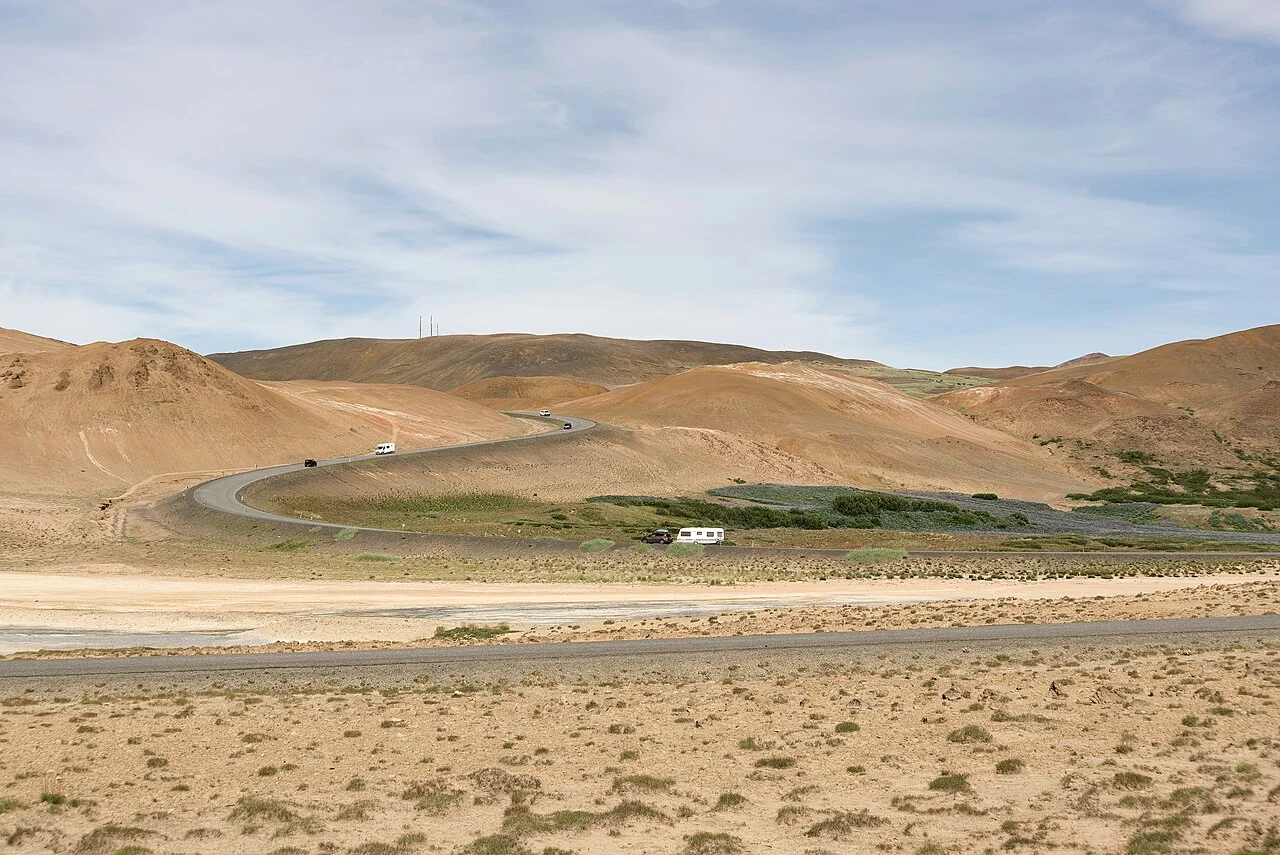
A Ring Road journey is easier to compare when you look beyond the headline duration. Two itineraries can use the same regional names and still leave very different amounts of time for a town, a meal or an unhurried view. Begin with the shape of the proposed journey: where it starts, which places it names and where each day actually ends.
Read the region before the highlight
Visit Iceland’s Ring Road introduction is a useful starting point for the larger geographic idea. Its regional guides provide a second layer of orientation. A list of famous sights alone does not show the distance between the places you want to understand. Set the itinerary beside a current road map, then distinguish a drive through a region from time spent there.

Silfra Snorkeling Between Continents Photos Included- Self Drive
You'll arrive at Thingvellir National Park, a UNESCO World Heritage site. Once there, you'll take a short journey through the volcanic, moss-laden f...

Small-Group Golden Circle, Blue Lagoon with Ticket & Kerid Crater
The Golden Circle and the Blue Lagoon are the two most popular sights to visit in Iceland. Book this small group day...

Golden Circle and Glacier Snowmobiling Day Trip from Reykjavik
Explore Iceland's iconic Golden Circle on an unforgettable journey that blends natural wonders with thrilling advent...
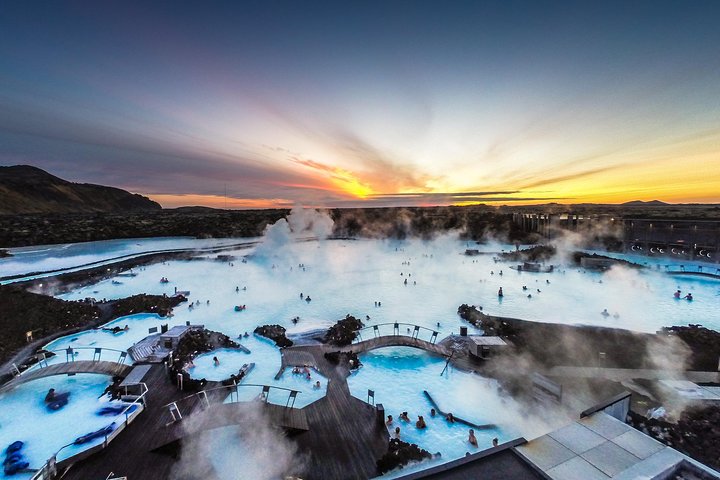
Golden Circle, Volcano Crater and Blue Lagoon Small-Group Tour
Experience the best of Iceland's natural wonders on this one day mini bus tour. Join us for this magnificent combina...
Make a short note for each proposed overnight stop. Is it simply the end of a transfer, or does the plan allow an evening in the settlement? Are meals left to you, included at a named venue or described only in general terms? These questions are more useful than assuming a longer itinerary automatically means a slower experience.
Keep a regional trip in its own category
The Golden Circle is a separate regional journey, not another name for the whole Ring Road. A Golden Circle offer may fit one part of a wider plan, but it should not be compared with an island-wide itinerary as though the geographic coverage were identical. The tour listings here focus on that region and may include other named Iceland routes. Read the specific offer before drawing a connection.

Compare what happens when plans change
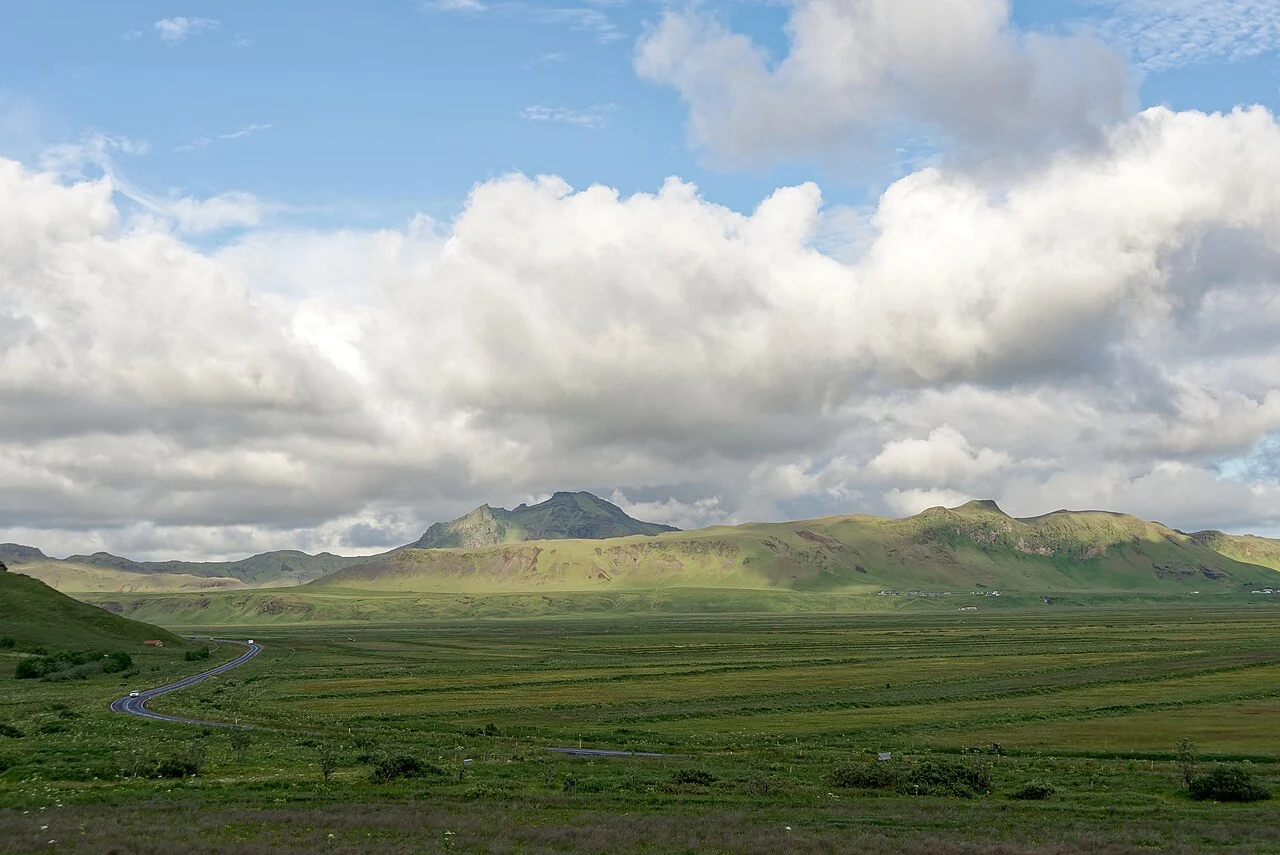
Ask the provider how it communicates a changed route, where the current meeting instructions appear and which parts of the description are subject to conditions. Check the actual cancellation terms instead of relying on a short promotional label. If you are arranging your own transport, compare the relevant rental terms and your proposed roads directly; an editorial photograph does not establish what a vehicle can use.
The Icelandic road authority’s traffic information, the Meteorological Office and Safetravel provide current information with different purposes. Consult them during planning and again before the relevant part of the journey. A dated summer image is a record of that day, not a promise for yours.
Leave space for the ordinary
A useful comparison includes town time as well as landscape time. A café, a public garden or a local exhibition can change how you read the region around it. Choose the places that matter to you, then see whether the itinerary gives them a real place in the day. The aim is a coherent journey rather than the longest possible list.